

VASTU DOSH AND IT’S EFFECTS | An Architect Explains
A complete guide to identifying and correcting Vastu Dosh in your home without demolition.
Have you ever walked into a home that instantly felt peaceful and welcoming? On the other hand, have you experienced a house that felt heavy, stressful or uncomfortable for no obvious reason? Or have you gone through stretches where money feels tight, arguments keep flaring up or a career stalls despite real effort. Vastu Shastra, the traditional Indian system of architecture, offers one lens on this:
According to Vastu Shastra, every building possesses its own unique energy; one that shapes the lives of the people inside it. When a home’s design is in harmony with nature, positive energy flows freely, creating an environment that supports health, happiness, prosperity, and success. However, if the layout of your home is out of step with the natural energies around it, this may result in what is known as Vastu Dosh.
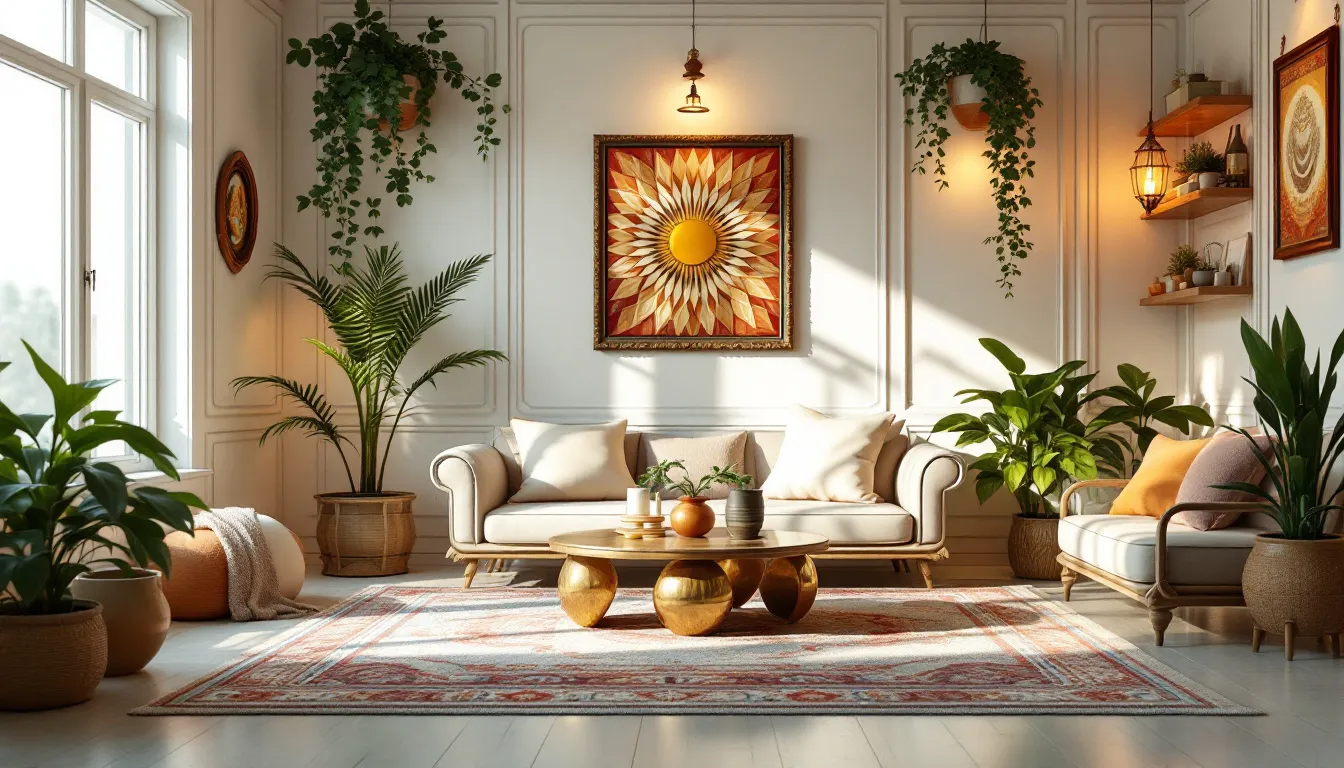
Since Vastu is a science, every guideline is based on logic and reasoning. As an Architect, I have attempted to explain these guidelines rationally and scientifically under the following headings, so that you can decide what you want to follow and what you don’t, instead of blindly following them like a superstition. In this guide, you’ll learn:
-
What is Vastu Dosh?
- ?
- ?
- ?
- ?
- ?
- ?
What are the common causes of Vastu Dosh?
What are the different types of Vastu Dosh?
What are the signs that your home may have Vastu Dosh?
How do you identify Vastu Dosh in your home without asking an expert?
Suggest some effective Vastu remedies that do not require demolishing your home?
What are some frequently asked questions regarding Vastu Dosh and the Remedies?
What is Vastu Dosh?
WHAT IS VASTU DOSH?
In Vastu Shastra, a home is more than walls and rooms. It is a space where the five elements (Earth, Water, Fire, Air and Space) and the cardinal directions are meant to be in balance and where energy is supposed to flow in harmony.
Vastu Dosh is the term for a disruption of that balance or blockage or disharmony in the natural flow of energy within a house, office, or building. It occurs when the construction, layout, room placement or orientation does not follow the principles of Vastu Shastra, the traditional Indian system of architecture.
It is believed that these imbalances can affect physical health, peace of mind, finances, career growth, relationships and general happiness of the homeowners.
Fortunately, most Vastu defects or Dosh can be corrected through simple changes in layout, organization, colours, and placement of objects—without expensive renovations. Once you know what to look for, correcting these imbalances doesn’t have to be complicated. A well-aligned space tends to lift the mood and fortune of everyone who spends time there.

WHAT ARE THE COMMON CAUSES OF VASTU DOSH?
Rooms in the wrong place.Each direction is linked to an element, so placement matters. Some examples of major defects include:
- A kitchen in the North-East
- A toilet in the centre of the house or in the North-East
- A master bedroom outside the South-West
Irregular plot shapes.
- Square and rectangular plots are considered ideal because energy is said to circulate evenly through them.
- L-shaped plots, missing corners and oddly extended sections are thought to disturb that flow.
Clutter and blocked entrances.
- A cluttered entrance is believed to keep positive energy out.
- Junk stored in important zones, especially the North-East, is said to make it worse.
Elemental imbalance.
- Too much of one element in the wrong zone creates friction. Examples are water in the fire zone (South-East) or strong fire colours like red in the water zone (North).

WHAT ARE THE TYPES OF VASTU DOSH?
Directional Dosh: Each direction governs an area of life. A defect in one direction is believed to affect its area of life:
- North: wealth and career
- South: health and relationships
- East: growth and opportunities
- West: creativity and progress
Elemental Dosh: This happens when the five elements are out of balance. Examples are:
- Fire dominating the water zone
- No open space at the centre of the house.
Structural Dosh: This comes from the building itself. Examples include:
- Missing corners
- Extended corners
- Overhead beams above beds or seating
- Uneven layouts
- Structural irregularities

WHAT ARE THE SIGNS THAT YOUR HOUSE MAY HAVE VASTU DOSH?
According to tradition, these patterns can point to an imbalance:
- Health problems that keep recurring in the family
- Ongoing money trouble, such as debt or unexplained losses
- Constant arguments or misunderstandings at home
- Difficulty finding peace in your own space
- A career or business that feels stuck
- A persistent sense of heaviness or unease

HOW DO YOU IDENTIFY VASTU DOSH IN YOUR HOME WITHOUT ASKING AN EXPERT?
Check your Room locations. Stand at your main entrance or the centre of your home with a compass and go through this checklist. Ideally the different rooms should be in the following directions:
- Main entrance:North, North-East, East are ideal (avoid South, South-West or West-facing doors if possible)
- Kitchen:South-East (North-East is considered a serious flaw)
- Master bedroom:South-West
- Pooja or meditation room:North-East
- Bathrooms:anywhere other than the North-East and the centre
Look for structural problems and physical red flags:
- Entrance: A messy, dark or blocked entryway
- Walls and doors: Cracked walls, damaged or squeaky doors
- Corners: Cut corners or L-shaped layouts
- Mirrors: Broken mirrors or glass. Mirrors facing the front door or reflecting the bed directly
- Taps: Dripping taps, which tradition reads as wealth draining away
- Indoor plants: that keep dying despite good care
Observe the Home’s Atmosphere. A house with poor Vastu may feel. (While these observations are subjective, they can be considered alongside the physical layout of the home):
- Dark
- Heavy
- Uncomfortable
- Constantly tense

WHAT ARE THE SIMPLEST VASTU REMEDIES FOR VASTU DOSH, THAT DO NOT REQUIRE DEMOLITION?
Most defects can be softened with small changes:
- Declutter regularly:Remove unnecessary items, especially from entrances and the North-East and keep both clean and open.
- Rearrange furniture:Place the bed in the South-West with the headboard towards the East or South.
- Use Vastu tools: Vastu pyramids, yantras and carefully placed mirrors are commonly used to balance problem zones. Keep mirrors away from the main door and from directly facing the bed.
- Bring in plants:Tulsi (holy basil) and money plants are traditionally used to refresh a home’s energy.
- Fix the small stuff:Repair leaking taps, cracked mirrors, broken glass and squeaky doors.
- Perform a Vastu Shanti Pooja:This ritual is meant to appease the Vastu Purusha, the energy associated with the property, and restore harmony.

WHAT ARE SOME OF THE FREQUENTLY ASKED QUESTIONS REGARDING VASTU DOSH AND ITS REMEDIES?
Can Vastu Dosh be corrected without demolition?
Yes. Furniture placement, colours, mirrors, plants, yantras, crystals and interior arrangement are the usual tools.
How long does it take to see results?
Practitioners say results may begin to show within 15 to 45 days, though this is a traditional claim, not something that can be measured.
Which salt is recommended in Vastu?
Rock salt is commonly used to cleanse spaces and enhance positive energy.
Which paintings are considered auspicious?
Elephant paintings are traditionally seen as symbols of wisdom, strength, protection and prosperity.
Should a tortoise be kept at home?
Some traditions consider a tortoise in the North or North-East auspicious. Many people choose a figurine, since a live tortoise needs proper care.
Should a house have an even number of doors?
An even number is preferred, with the main entrance as the largest door.

WHAT ARE MY THOUGHTS ON VASTU DOSH, AS AN ARCHITECT?
A good home supports the comfort and well-being of the people in it. Whatever your view of Vastu, its core habits are sensible: a clean entrance, regular maintenance, less clutter, and bright, well-kept rooms. Whether you’re building, renovating or just rearranging a bedroom, you can use these principles as a guide to a more harmonious home.
A note on the claims: Vastu is a traditional belief system, and there’s no scientific evidence that room placement causes health, money or relationship problems. If those problems are persistent, address them directly with a doctor, a financial advisor or a counsellor. Vastu tweaks can sit alongside that, not replace it.
About the Author
Minu C.P. is a Bangalore-based architect with over 20 years of experience in residential architecture. She is the co-founder of Ravi and Minu Architects and writes for Architecture Ideas | Info, where she explains architecture, Vastu Shastra, construction, and home design in simple language for homeowners and design enthusiasts.