DINING ROOMS | An Architect Explains
It is often said, a family that eats together stays together. And that’s why the dining room is an important
Read More
Information on Architecture, Interiors and House Construction In India
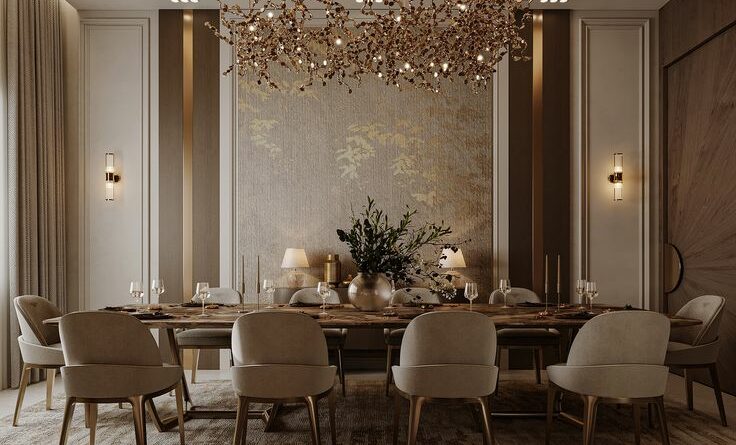
It is often said, a family that eats together stays together. And that’s why the dining room is an important
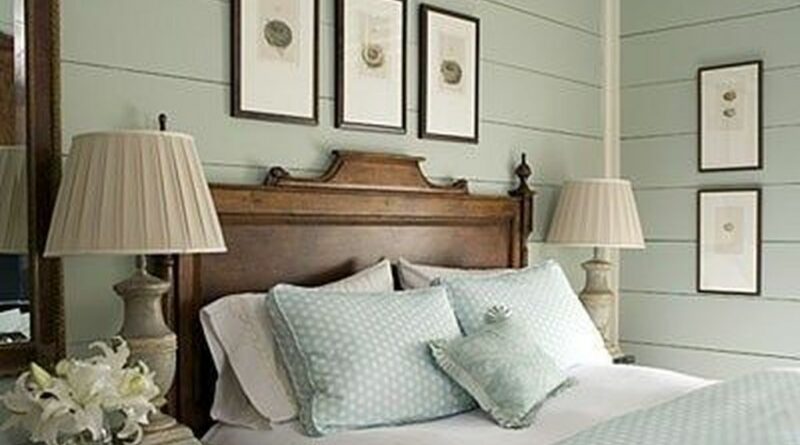
Having a tiny sleeping space is not a drawback as far as interior design is concerned. In fact small bedrooms
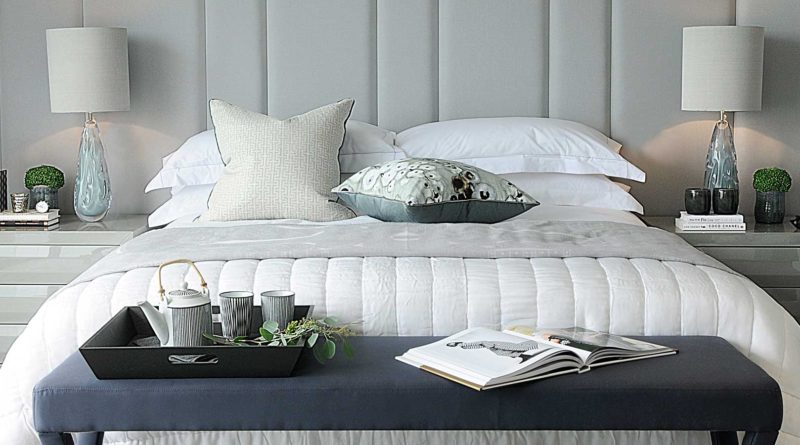
The bedroom is that part of the house where you go to recharge and rest after a hard day’s work and the daily stress. To do so, the room must be similar to your personality to make you feel comfortable. It should be designed with style, without crowding it with useless materials so that it feels like a spacious special retreat. In designing a Bedroom, you have to keep in mind the planning considerations, the types of bedrooms and ideal sizes. An Architect guides you with some tips…..
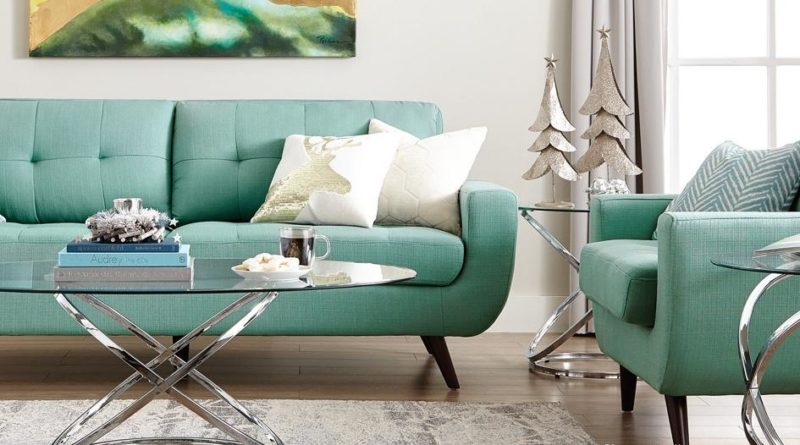
Furniture is household equipment designed for a variety of purposes. It may be made of wood, metal, plastics, marble, glass, fabrics, and related materials. It ranges from the simple pine chest to the elaborate gilded console table. It is usually movable, though it can be built-in, like kitchen cabinets and bookcases. The design and building of furniture is related to both architecture and interior design……
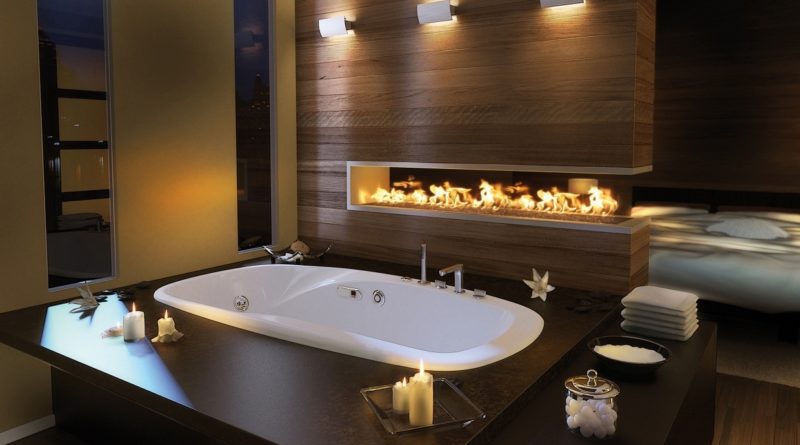
Nowadays, most bathrooms contain the three basic fixtures for personal hygiene – the wash basin, the toilet (WC) and the shower/bathtub. Other fixtures like bidet, dressing cabinet, storage cupboards, dressing table etc may also be present. But it is imperative that these fixtures and fittings are placed at the right heights and positions. An Architect explains the commonly used bathroom fixtures/fittings, the best brands available in India and the standard heights and positions of these fixtures and fittings……
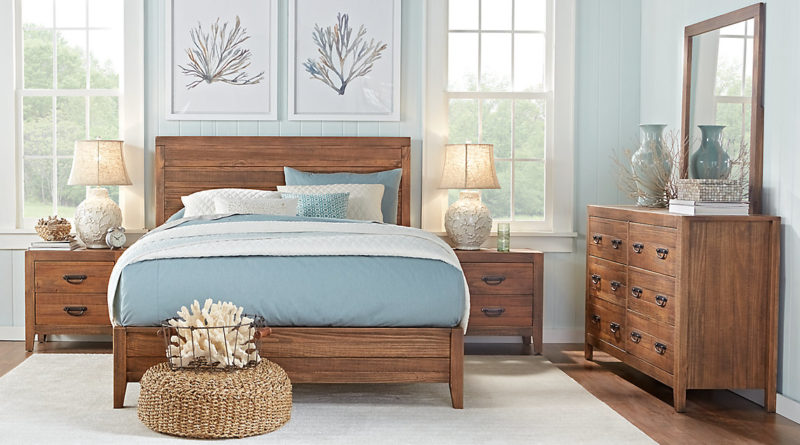
A bedroom has a bed and in addition, a closet, nightstands, desk, dresser and lamps. Sometimes, users want to accommodate a TV too. The types of furniture and other items required in a bedroom depend on the usage of the bedroom be it a master bedroom or a children’s or a guest bedroom. It also depends on the size of the bedroom, the style (minimalist or decorative), the material preferred and the requirements of the users. An Architect explains how to furnish a bedroom…..
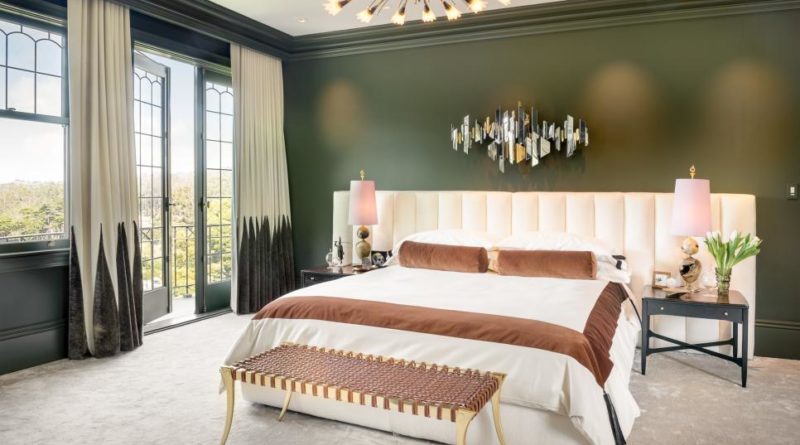
A bedroom is a very private space that must have a cozy ambience to allow you to relax and sleep easily and comfortably. For this, the bedroom must not be cluttered, must have unobstructed space for movement so that even if you wake up sleepily to go to the bathroom, you will not bump into furniture. An Architect gives you ideas and tips for arranging the furniture efficiently so that you can have all the furniture that you want without cluttering the bedroom……
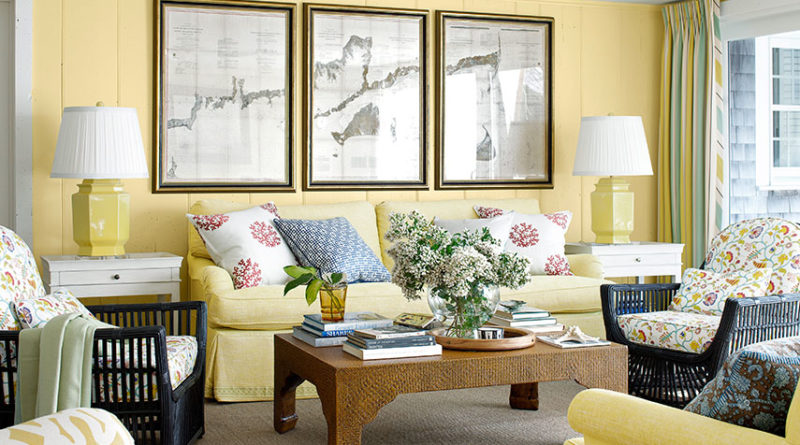
A Living room is a room in a residence used for the common social activities of the occupants. The term sitting room is sometimes used synonymously with living room. A typical Living room may contain furnishings such as a sofa, chairs, occasional tables, and bookshelves, electric lamps, rugs, or other furniture. So in designing the living room all these should be taken into consideration. An Architect explains them here…..
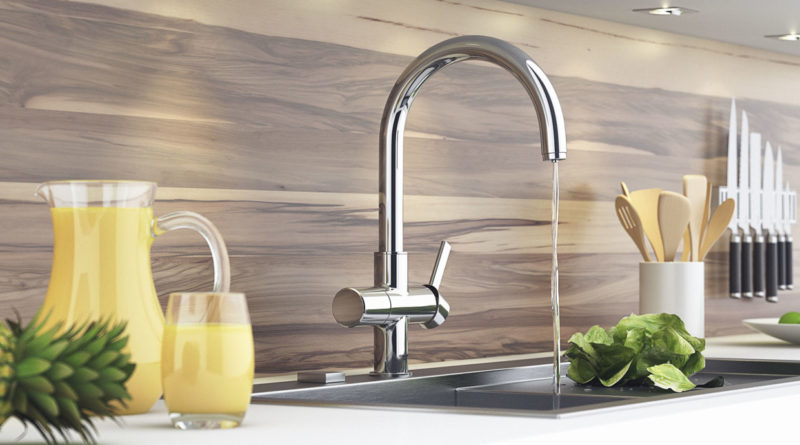
In designing a kitchen, the accessories, fixtures and kitchen surfaces need careful consideration. The surfaces need to be finished with additional, durable, scratch and stain resistant materials to protect them and to give the Kitchen a finished and neat appearance. An Architect recommends the best material options for kitchen counter tops and back splashes with their advantages and disadvantages……
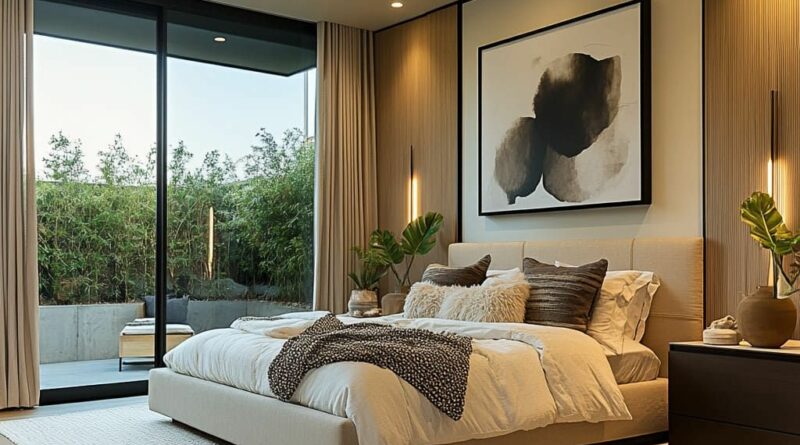
A Bedroom is primarily used for Sleeping, Resting, Convalescing, Dressing/Undressing, Storing Clothes, Personal Care etc which means it has to
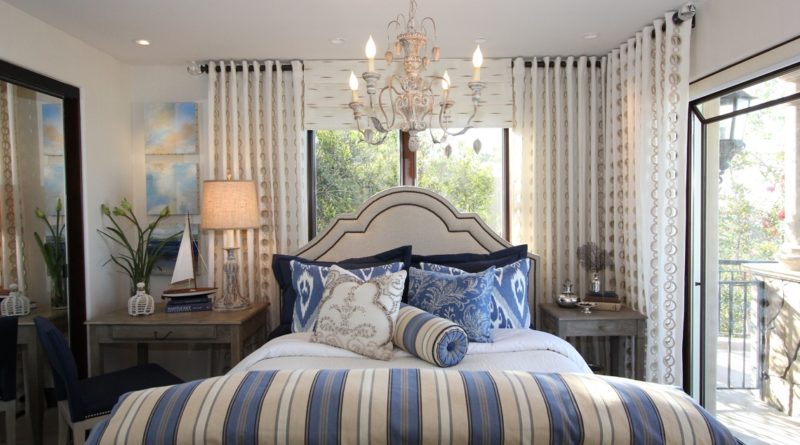
Sleeping takes up approximately one third of your life and therefore is an extremely important factor in your overall health. The Bedroom is the private place, where you can unwind, relax and sleep. So it should be a comforting space with positive energy. This can easily be created by the scientific application of Vastu Shastra principles which take advantage of sunlight, air and magnetic directions. An Architect explains how to use these elements …..