
SCIENTIFIC VASTU SHASTRA TIPS FOR A HEALTHY HOME | An Architect Explains
LOOKING TO CREATE A HAPPIER, HEALTHIER HOME?
Whether you’re designing a new home, renovating an existing one, or simply making small improvements, you want a happy home where everyone is healthy. While thoughtful design, natural light, and cleanliness certainly play a role, many homeowners also turn to Vastu Shastra—the ancient Indian science of architecture—to create harmonious living spaces.
Vastu Shastra is based on traditional Indian architectural and cultural beliefs. Many people find these timeless principles meaningful, while others view them as design preferences. Combining these easy-to-follow Vastu ideas with good architecture, ventilation, natural lighting, and functionality often creates the best results.
As as an Architect practising in India, I have explained each of these guidelines rationally and scientifically under the following headings, so that you have a choice and can decide what you want to follow or don’t instead of looking at Vastu as a superstition:
1. DEMARCATE A SPACE FOR PRAYER:
A clean, peaceful, and well-lit pooja room is believed to encourage calmness and positive energy. Lighting a lamp during evening prayers can also create a serene atmosphere.
Because the pooja room is considered the spiritual heart of the home, ideally it should be reserved exclusively for prayer and meditation. Avoid using it to store household items or clutter.

2. KEEP THE POOJA ROOM BRIGHT AND WELL-LIT:
A dark pooja room should generally be avoided in Vastu Shastra. Soft, warm lighting during the evening helps maintain a welcoming and peaceful atmosphere for daily prayers.
3. FACE EAST WHILE COOKING:
According to Vastu Shastra principles, the kitchen represents nourishment and health. Position the stove so that you face East while cooking whenever possible. This direction is traditionally associated with fresh beginnings and positive energy.
4. PLACE BATHROOMS IN THE RIGHT LOCATION:
Bathrooms are spaces where waste is removed from the home. Vastu Shastra traditionally recommends locating toilets and bathrooms in the West or North-West areas of the house.
Good ventilation is equally important. Fresh air, natural light, and an exhaust fan help maintain hygiene and create a healthier indoor environment.
5. CHOOSE CALMING COLOURS FOR THE LIVING ROOM:
The living room is where family members gather and guests are welcomed. Light, soothing colours can make the space feel open and inviting.
Traditional Vastu Shastra advises avoiding large amounts of black or deep red in this area, as these colours are believed to create a heavier atmosphere.
:max_bytes(150000):strip_icc()/Imagec_oR.NicksonInteriorsPaintSherwinWilliamsCreamy.-e5201e40524c4e3cbaa2a00832543ba1.jpg)
6. PLACE MIRRORS CORRECTLY:
Mirrors can make rooms appear larger and brighter, but Vastu Shastra suggests avoiding mirrors directly facing the bed. If possible, position mirrors where they don’t reflect someone sleeping.
7. BRING GREENERY INDOORS:
Indoor plants not only beautify your home but also improve air quality. Some popular choices include Areca Palm, Peace Lily, Snake Plant, Pothos (Money Plant)
These plants are easy to maintain and add freshness to any room.
8. POSITION THE BED CAREFULLY:
For a restful bedroom, avoid placing your bed directly beneath a window or with a window immediately behind the headboard. Windows on the east or north walls are generally preferred in traditional Vastu Shastra.
A well-arranged bedroom can contribute to a peaceful and relaxing environment.
9. CHOOSE STABLE FURNITURE SHAPES:
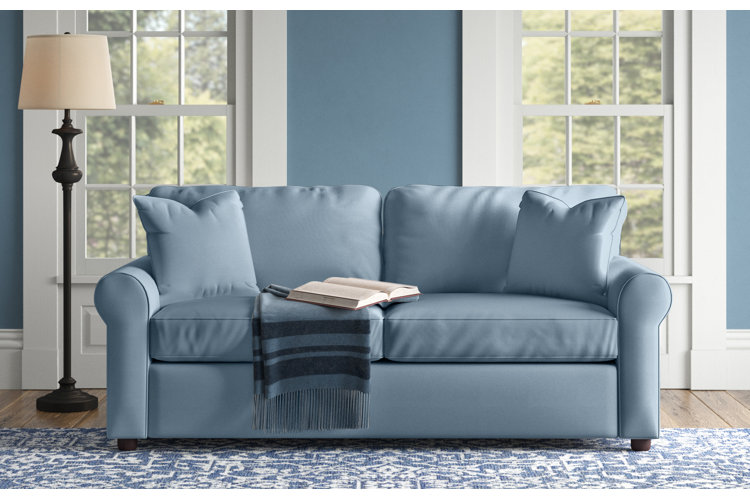
Furniture with square and rectangular shapes is traditionally considered more stable and harmonious than unusually shaped pieces. Regardless of style, choose furniture that allows comfortable movement and keeps rooms feeling uncluttered.
10. PLACE ELECTICAL GADGETS IN THE SOUTH-EAST AREA OF THE ROOMS:
If possible, position the television in the South-East area of the living room. This placement is commonly recommended in Vastu Shastra traditions and also works well for many modern living room layouts.
11. STORE FOOD ITEMS IN THE SOUTH-WEST OF THE KITCHEN:
Grains, pulses, and dry food items are traditionally stored in the South-West section of the kitchen. This is believed to symbolize stability, abundance, and prosperity.
12. DECLUTTER REGULARLY FOR BETTER ENERGY:
One of the simplest—and perhaps most practical—Vastu Shastra principles is to keep your home clean and organized. Removing unnecessary clutter allows rooms to feel brighter, more spacious, and easier to maintain.
A tidy home often contributes to a greater sense of calm and well-being.
IS IT DANGEROUS IF YOU DO NOT FOLLOW CERTAIN VASTU SHASTRA GUIDELINES?
Vastu Shastra has been part of Indian architectural traditions for centuries and continues to influence how many people design and organize their homes. Whether you follow every guideline or simply adopt a few ideas that resonate with you, the ultimate goal is to create a living space that feels peaceful, functional and welcoming.
Alongside traditional Vastu principles, don’t overlook modern essentials like good ventilation, natural lighting, safe construction, and thoughtful interior design. Together, these elements can help make your home a healthier and happier place to live.
Related Topics:
- Vastu Shastra | Explained By An Architect
- Vastu Shastra | Principles For A House
- Vastu Shastra | Factors That Impact A House
- Vastu Guidelines | Selecting The Right Site
- Vastu Guidelines | Designing A House
- Vastu Guidelines | Rituals For A House
- Vastu Guidelines | Construction Of A House
- Vastu Guidelines | Non-Residential Buildings
- Remedies For Vastu Defects